Our approach
A disaster lasts a few days. Recovery takes years. We plan for both from the start, and we do it through the people who live there.
Last updated:
The four stages of every response
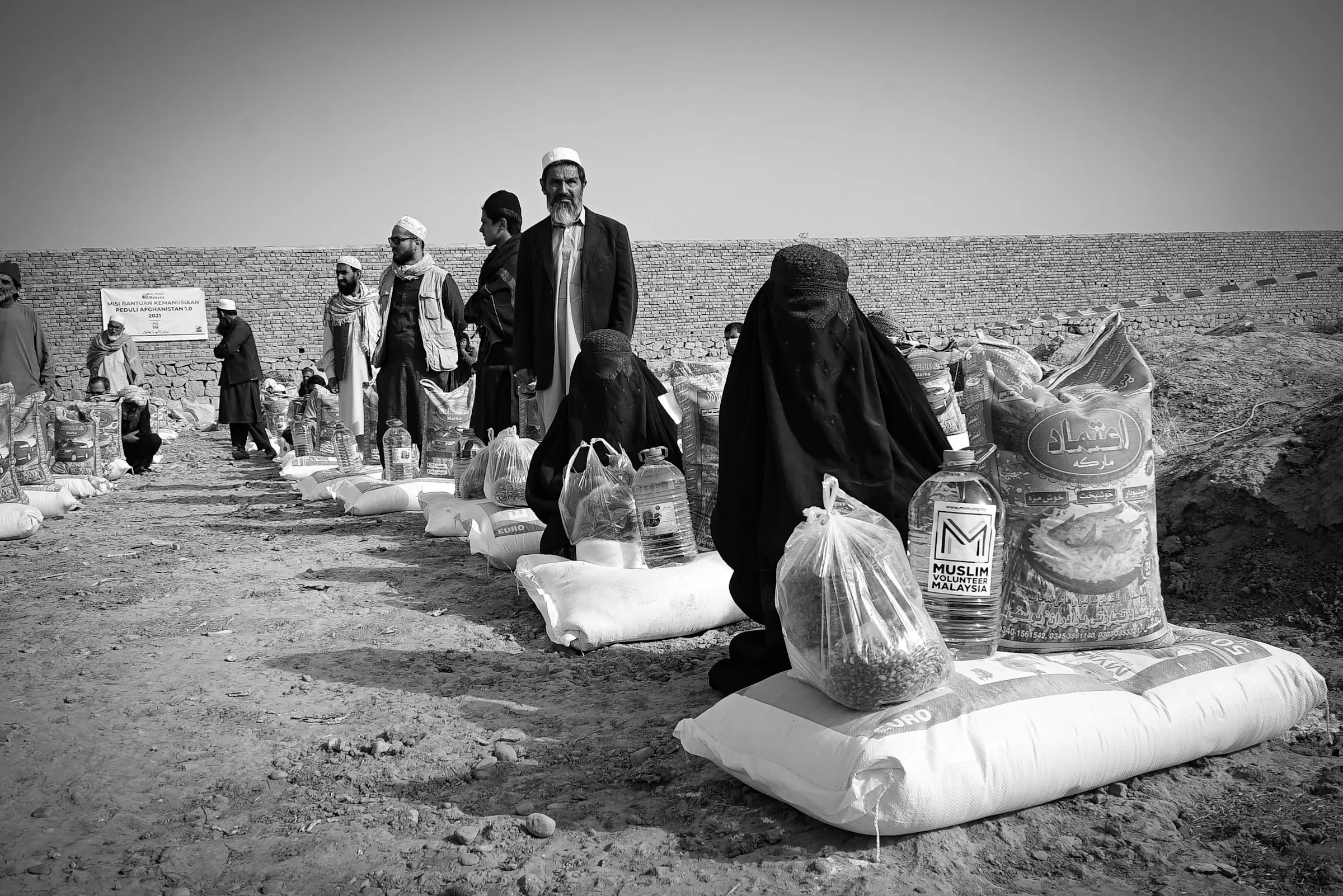
Find out what people need, then deliver it
Partner teams already living in the area assess damage and needs within a day. Our emergency reserve means supplies move before an appeal is launched.
Your gift pays for
- Clean water and purification
- Food and cooking sets
- Emergency shelter
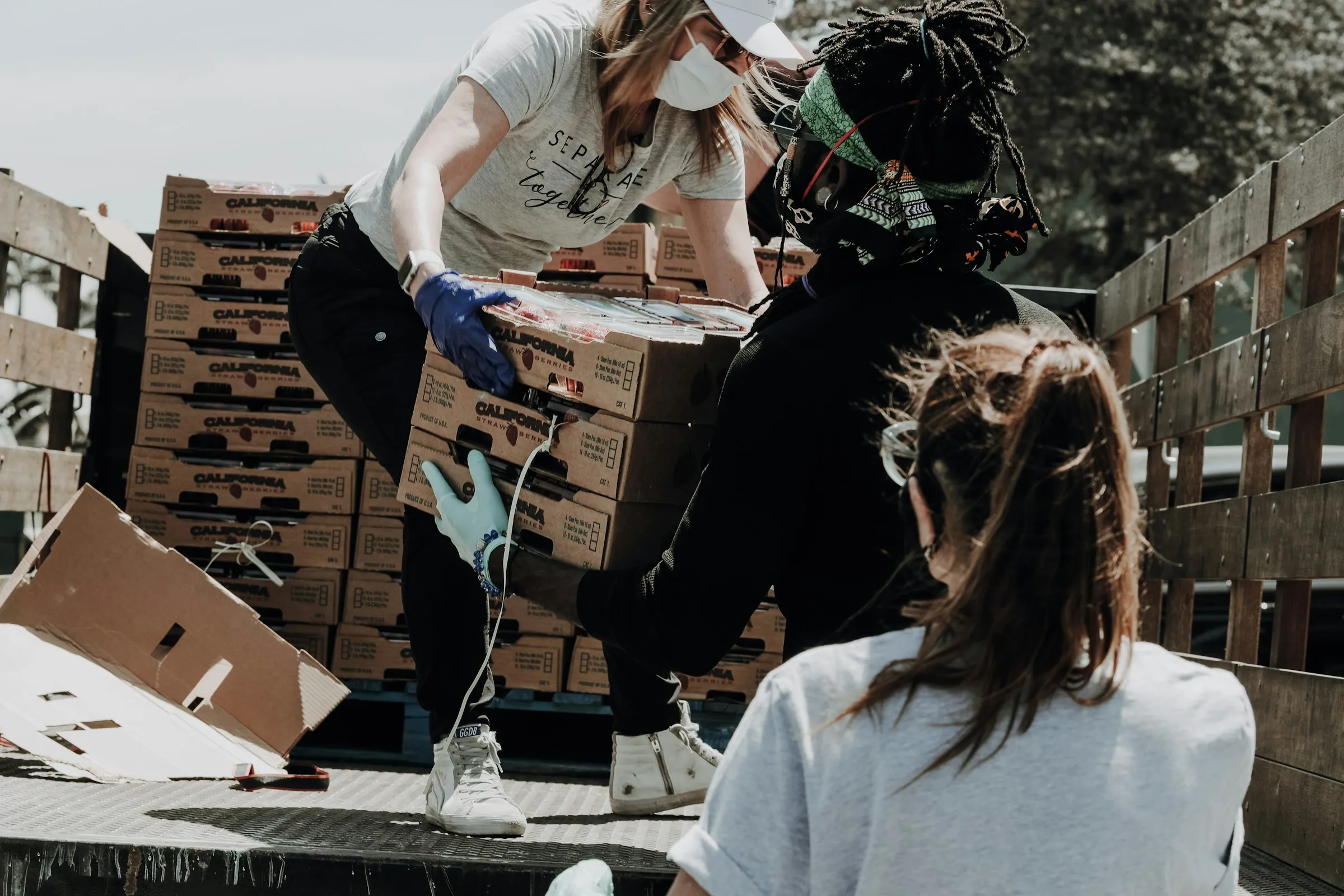
Before: preparedness and risk reduction
Most of the difference in a disaster is made before it. We pre-position supplies in regional hubs, train partner teams in rapid assessment, and fund early warning systems so families can move before the water arrives.
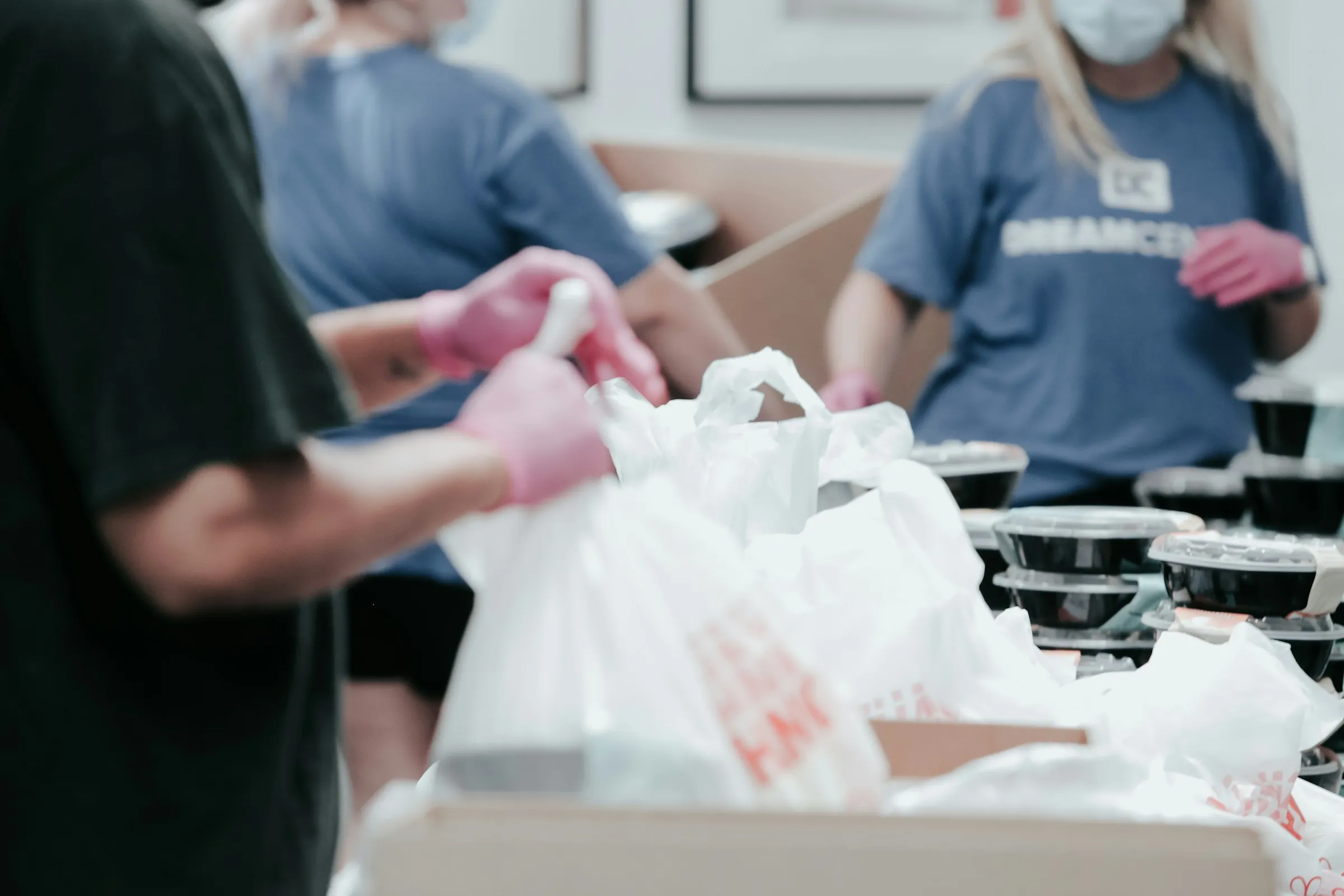
During: emergency response
Our emergency reserve lets us release funds within 24 hours of a verified alert. Partners already in the area lead distributions of water, food, shelter and medical supplies. Where markets are working, we give cash so families decide what they need.
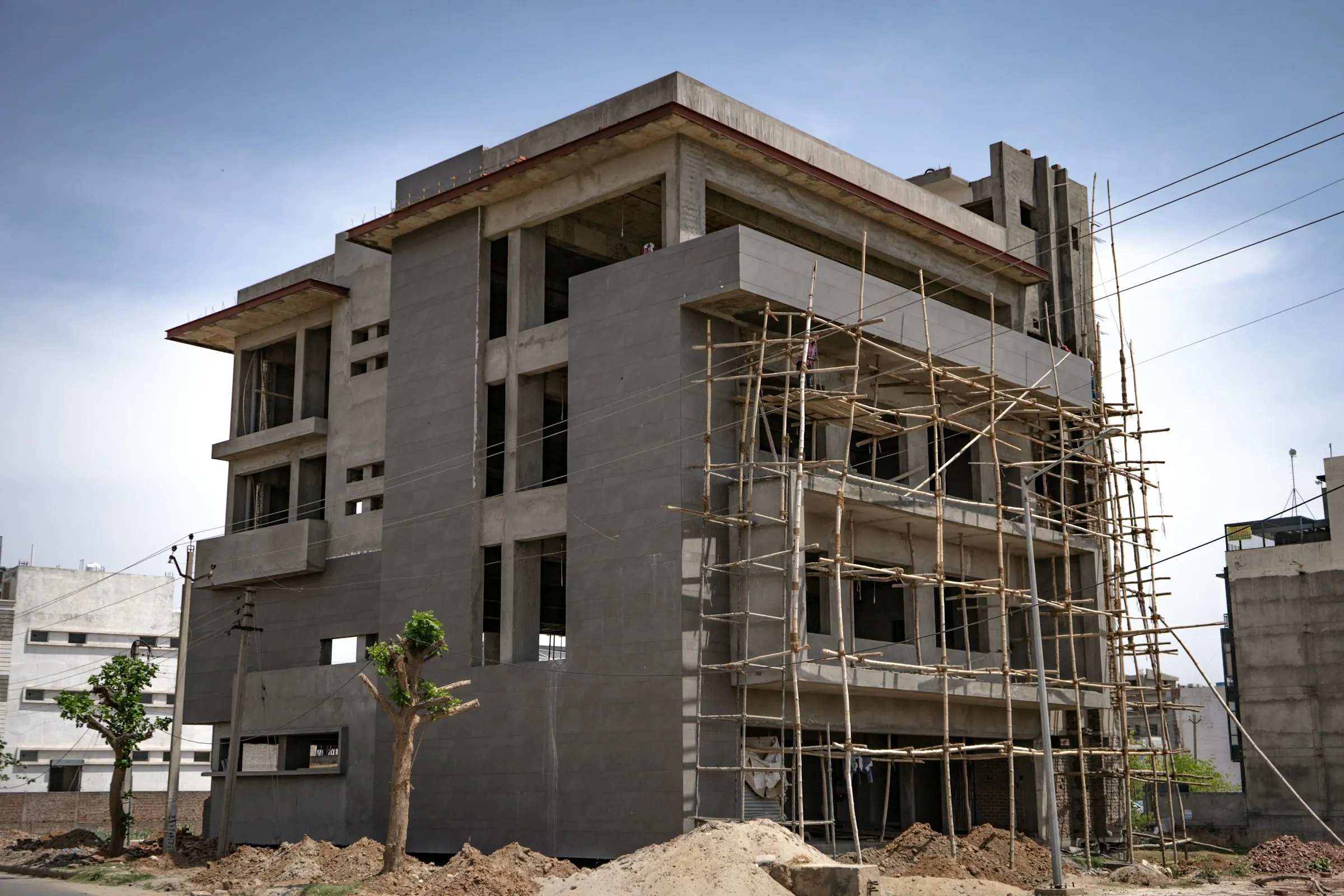
After: recovery and reconstruction
We plan recovery from the first week. Families choose what is rebuilt first. Homes, wells and schools are built back to a safer standard by local builders we help train, so the skills stay when we leave.
How do we work with communities?
Through the people who already live there. Over 70 percent of our programme funding goes to organisations based in the affected country, families decide what is rebuilt first, every response has a monitoring plan from day one, and evaluations of our largest responses are published in full.
Local partners lead
Over 70 percent of our programme funding goes through organisations based in the affected country. We fund their core costs, not just projects.
Families decide
Cash support and community committees let the people affected make the decisions about their own recovery.
We measure and publish
Every response has a monitoring plan from day one, and every closed response has a public final report.
We say when we're wrong
Independent evaluations of our largest responses are published in full, including what didn't work.